
Magnesium is a vital mineral that helps with energy production, metabolism, and insulin function, all of which are important for a healthy weight.
Magnesium for weight loss
Having good magnesium levels can help the body process glucose more efficiently, and help to burn fat faster. This is why magnesium is useful for weight loss.
This nutrient also works very well when combined with Alpha Lipoic Acid, which is a compound known for its ability to increase insulin sensitivity while reducing inflammation. These two can impact weight gain.
Magnesium is not a quick fix to lose weight, but having good levels can help reduce cravings, decrease appetite, and improve metabolic function. For this, it is a great addition to a healthy lifestyle.

How Magnesium Actually Affects Your Metabolism
Here's the thing most people miss. Magnesium isn't just a "nice to have" mineral sitting in the background doing minor work. It's sitting at the center of over 300 enzymatic reactions, many of which are directly tied to how efficiently your body burns fuel. When I first started researching this, I expected a modest connection to metabolism. What I found was a lot more interesting.
Start with ATP. Every cell in your body runs on adenosine triphosphate, and magnesium is required to activate it. Technically, the active form is magnesium-ATP, not just ATP alone. Without adequate magnesium, your cells can't properly access the energy they've produced. Think of magnesium as the key that turns the ignition. The fuel is already in the tank, but nothing moves without it.
Then there's the insulin sensitivity piece, which I'd argue is the most relevant factor for anyone trying to lose body fat. Published in Diabetes Care (2003), a study by Lopez-Ridaura et al. tracked over 85,000 women across 18 years and found that higher magnesium intake was significantly associated with a lower risk of type 2 diabetes. The mechanism isn't mysterious. Magnesium activates the tyrosine kinase receptor on insulin-responsive cells, essentially allowing insulin to do its job. When magnesium is low, insulin resistance creeps in. When insulin resistance climbs, fat storage goes up. It's a frustrating cycle that a lot of people are stuck in without knowing why.
Cortisol is another angle I don't see discussed enough. Chronic stress raises cortisol, which depletes magnesium, which then makes the cortisol response even harder to regulate. Research from Magnesium Research (2010) showed that magnesium supplementation helped reduce the cortisol response in physically and psychologically stressed subjects. Since high cortisol is directly linked to abdominal fat accumulation, this matters more than people realize.
Sleep quality is also in the picture. Poor sleep raises ghrelin (the hunger hormone) and tanks leptin (the satiety hormone). Magnesium supports GABA activity in the brain, which is the main inhibitory neurotransmitter that promotes relaxation and deep sleep. Studies have linked magnesium supplementation to improved sleep efficiency, particularly in older adults, and better sleep means better appetite regulation the next day — one of the reasons magnesium consistently lands among the supplements for better sleep I recommend.
And for anyone who's ever hit a plateau despite doing everything right, consider this. A 2013 trial published in the Journal of Nutrition found that magnesium intake was positively associated with lower fasting glucose and insulin in people who were overweight, specifically among those who weren't meeting their daily magnesium requirements. Deficient people had a measurably harder time with glucose control. I'll be honest, that finding changed how I think about stalled fat loss.
So before we talk about which form of magnesium actually gets absorbed well (and which forms are basically a waste of money), the baseline understanding is this: magnesium deficiency quietly undermines the metabolic machinery you're depending on.
Best Forms of Magnesium for Weight Loss (and Which to Skip)
Not all magnesium supplements are created equal. I've seen people spend months taking a form that their gut barely absorbs, wonder why they're not noticing anything, and then switch to a better-absorbed form and feel the difference within two weeks. The form matters. A lot.
Magnesium glycinate is my top pick for most people. It's magnesium bound to glycine, an amino acid with its own calming properties. The absorption rate is excellent, it's gentle on the stomach, and it won't send you running to the bathroom. For weight loss specifically, the glycine component also supports sleep quality, which (as I mentioned above) plays directly into appetite regulation. If you're choosing one form, this is the one.
Magnesium citrate is a solid second option. It absorbs well, around 30% better than magnesium oxide in head-to-head comparisons, and it's widely available and affordable. The one caveat is the mild laxative effect at higher doses. For some people that's fine. For others, it's a problem. Start with a lower dose (around 150mg) and work up slowly.
Magnesium threonate is the form I find most fascinating from a research standpoint, though its direct weight loss benefits are less established. What separates it from the others is its ability to cross the blood-brain barrier. Akhavan et al. showed in animal studies that magnesium-L-threonate increased brain magnesium levels significantly more than other forms, with cognitive and mood benefits that followed. For people whose food cravings are stress-driven or emotionally triggered, improving brain magnesium status could genuinely help. The price is higher (expect to pay $40-60 per month) so whether it's worth it depends on your goals.
Here's what to avoid. Magnesium oxide is the form you'll find in cheap, bulk supplements. It sounds fine on the label, but bioavailability studies consistently put its absorption around 4%, compared to 40-50% for glycinate. You're mostly paying to produce expensive urine. Magnesium sulfate (Epsom salt) has legitimate topical and medical uses, but as an oral supplement for daily magnesium repletion, it's not the right tool.
- Magnesium glycinate: Best overall absorption, calming effect, ideal for sleep support and daily use
- Magnesium citrate: Good absorption, affordable, mild laxative effect at high doses
- Magnesium threonate: Crosses the blood-brain barrier, higher cost, best for stress-related eating patterns
- Magnesium malate: Good for energy and muscle fatigue, underrated form worth considering
- Magnesium oxide: Roughly 4% absorption, skip it
- Magnesium sulfate (oral): Not appropriate for daily supplementation
The practical upshot is that if you're buying a magnesium supplement specifically to support weight management, glycinate or citrate give you the most return. Now the question is how much to actually take.
Magnesium Dosage Guide for Weight Loss
The official RDA for magnesium sits at 310-320mg per day for adult women and 400-420mg per day for adult men. Those numbers represent the minimum to prevent clinical deficiency. They're not necessarily the amounts associated with optimal metabolic function, and there's a difference worth paying attention to.
I'll be straight about where the data is strong and where it gets murkier. For blood sugar regulation and insulin sensitivity benefits, several studies have used doses in the 300-400mg range of elemental magnesium daily. A 2011 randomized controlled trial published in Diabetes, Obesity and Metabolism used 365mg per day in overweight individuals with prediabetes and observed meaningful improvements in fasting glucose and insulin sensitivity after 6 months. That's a realistic, achievable dose from supplementation.
The upper tolerable intake level set by the Institute of Medicine is 350mg per day from supplemental sources alone (not counting food). Above that threshold, the most common side effect is loose stools or diarrhea, which is actually how your body tells you the intestinal absorption ceiling has been exceeded. It's not dangerous, but it's uncomfortable and means you're not absorbing what you're taking anyway.
For practical dosing, I'd suggest this framework:
- Starting dose: 150-200mg of elemental magnesium per day, taken with food
- Maintenance dose: 300-400mg daily, split into two doses if possible (morning and evening)
- Timing for exercise: Taking 200mg roughly an hour before training may help with performance and reduce cramping
- Timing for sleep and appetite: Evening doses (200mg with dinner or before bed) support GABA activity and improve sleep quality
- With food or without: Always with food. Magnesium on an empty stomach increases the likelihood of gastrointestinal discomfort
Splitting the dose is something I actually recommend strongly. A single large dose overwhelms intestinal transport mechanisms, reducing how much you absorb in one sitting. Two smaller doses across the day maintains more consistent plasma magnesium levels, which is ultimately what you're after.
Signs you're taking more than your gut can handle: loose stools, cramping, or a general urgency you weren't expecting. Reduce the dose and build back up more gradually. Signs you're still deficient despite supplementing: persistent muscle cramps, poor sleep, low energy, and carbohydrate cravings that don't quit. In those cases, switching to a higher-bioavailability form (glycinate instead of oxide) often resolves things quickly.
Now, supplements aren't the only way to raise your magnesium levels. The food sources that deliver meaningful amounts are worth knowing, especially since some of them also happen to be excellent for weight management on their own terms.
Food Sources of Magnesium That Support Weight Loss
Food first. That's my default position on any micronutrient. And magnesium is genuinely available in a solid range of whole foods, many of which pull double duty by supporting satiety, providing fiber, and stabilizing blood sugar alongside their magnesium content. Here's what the numbers actually look like:
- Pumpkin seeds (1 oz): 156mg of magnesium, roughly 37% of the daily RDA. Also high in zinc and healthy fats.
- Dark chocolate (1 oz, 70-85% cacao): About 64mg. Yes, this counts. No, it's not an excuse to eat a full bar.
- Almonds (1 oz): 80mg, plus 3.5g of fiber and 6g of protein. One of the best snacks for blood sugar stability.
- Cooked spinach (½ cup): 78mg. Raw spinach delivers less due to oxalate content binding some of the mineral.
- Black beans (½ cup cooked): 60mg, with the added benefit of resistant starch that feeds gut bacteria and moderates glucose absorption.
- Avocado (one medium): 58mg, along with monounsaturated fats that support satiety hormones.
- Salmon (3 oz cooked): Around 26mg, lower than the plant sources but paired with omega-3s that independently improve insulin sensitivity.
Look, those numbers seem manageable until you realize that dietary surveys consistently show roughly 50% of Americans don't meet the RDA for magnesium through food alone. There are a few reasons for this. Modern agricultural soil is significantly depleted compared to 50 years ago, meaning the same foods grown today contain less magnesium than they used to. A study in the Journal of the American College of Nutrition analyzed nutrient data from 1950 to 1999 and found declines of 20-36% in several key minerals across common vegetables. Processing strips more out. Cooking depletes some further.
So while eating pumpkin seeds and spinach regularly is genuinely useful and something I'd encourage, relying entirely on food to optimize magnesium status is harder than it sounds. This is the gap that supplementation fills, specifically for people who are active, stressed, eating processed food regularly, or consuming a lot of alcohol (all of which accelerate magnesium depletion).
What makes this particularly relevant for weight loss is that the foods highest in magnesium also tend to be high in fiber, protein, and healthy fats. Building your diet around them pushes you away from the processed, low-nutrient foods that drive cravings and overconsumption in the first place. That's a dietary strategy that supports weight management regardless of the magnesium content.
If you want a wider view of options, take a look at the most effective weight loss supplements — covering ingredients, dosages, and what actually has clinical evidence behind it.
Combining Magnesium with Exercise for Better Results
If you're exercising to support your weight loss goals (and you should be), magnesium becomes even more important, not less. Physical activity depletes magnesium through sweat and urine, and the harder you train, the faster those losses accumulate. Studies suggest that exercise increases your magnesium requirement by approximately 10-20% above the standard RDA. Most active people aren't accounting for that.
The most immediate benefit I've noticed personally is the reduction in muscle cramps. Magnesium is required for muscle relaxation after contraction. Calcium triggers the contraction, magnesium signals the release. When magnesium is low, muscles stay tight, cramp more easily, and recover more slowly. If you're getting night cramps or mid-workout leg cramps consistently, low magnesium is one of the first things to rule out. For a curated rundown, see our guide to the best supplements for muscle recovery.
For readers building a wider routine, our supplements for natural energy support walks through the most useful options for fighting fatigue.
Performance is another angle. A 2014 study published in the Journal of Sports Science and Medicine found that magnesium supplementation improved grip strength, lower-leg power, and jumping performance in volleyball players over 4 weeks. The mechanism involves improved muscle fiber recruitment and reduced lactate accumulation during intense effort. Better performance means better training stimulus, which means more fat loss over time. The compound effect adds up.
Recovery also benefits significantly. Results from a 2017 randomized trial in Nutrients showed that 350mg of magnesium bisglycinate daily for 8 weeks reduced exercise-induced muscle damage markers in male cyclists. Less post-exercise inflammation means faster recovery, which means you can train again sooner and maintain consistency, which is the actual driver of body composition change over months and years.
There's a body composition angle worth flagging too. Research published in Magnesium Research (2006) looked at magnesium status in 124 elderly women and found significant correlations between magnesium levels and lean muscle mass. Preserving muscle while losing fat is the goal for most people. Magnesium, by supporting protein synthesis and reducing catabolism from exercise-induced inflammation, plays a real role in that balance.
My practical suggestion is to take 200mg of magnesium glycinate or citrate about 60 minutes before your workout on training days, and another 200mg in the evening. On rest days, a single evening dose of 300-400mg is sufficient. That protocol keeps muscle magnesium stores topped up without exceeding the gut's daily absorption capacity.
The bottom line here is straightforward. Magnesium doesn't make exercise unnecessary. But it does make the exercise you're already doing more effective, less painful, and easier to recover from. For anyone serious about using physical activity as a weight management tool, that's not a minor detail.
What is Magnesium?
Magnesium is an important mineral that is present in over 300 biochemical reactions in the body. It is relevant for its role in energy production, muscle function, and blood sugar regulation.
This nutrient also helps in the process of weight loss as it raises metabolism and insulin response, which may help with weight loss. It also contributes to Bone Health as it works together with calcium keeping bones strong and preventing issues like osteoporosis.
A lack of magnesium can produce cramps, fatigue, and weakened bones, so it's important to have good levels. Magnesium can be taken through certain foods or supplements.
How Magnesium Affects Metabolism
Magnesium and weight loss
Magnesium is important for Metabolic Health because it defines the body's ability to transform food into energy. It does it by activating enzymes that help to improve digestion and process fats and carbohydrates.
By keeping the metabolism running efficiently, this nutrient contributes to general energy balance and wellness. When insulin functions properly, the body has better control over blood sugar levels, which avoids spikes and is more able to reduce fat storage.
It also supports the breakdown of fats for energy, making it a beneficial mineral for those looking to maintain a healthy metabolism and support weight management.

Can Magnesium Help Reduce Cravings and Appetite?
Best magnesium for weight loss
Magnesium helps to reduce appetite and sugar cravings because of its ability to stabilize blood sugar levels. Also, this helps to prevent spikes and crashes that often lead to sudden hunger which can end up being unhealthy snacking.
This supplement also contributes to Heart Health and Sleep, both of which are connected to weight management. As poor sleep can increase hunger hormones which leads to overeating, having good levels of magnesium will help promote relaxation and better rest.
By contributing to both metabolic and well-being, this mineral is a great addition to a balanced diet.
Magnesium Sources: How to Incorporate It Into Your Diet
Taking magnesium-rich food can make a big difference! Magnesium is present in spinach, kale, almonds, pumpkin seeds, quinoa, brown rice, avocados, bananas, and dark chocolate.
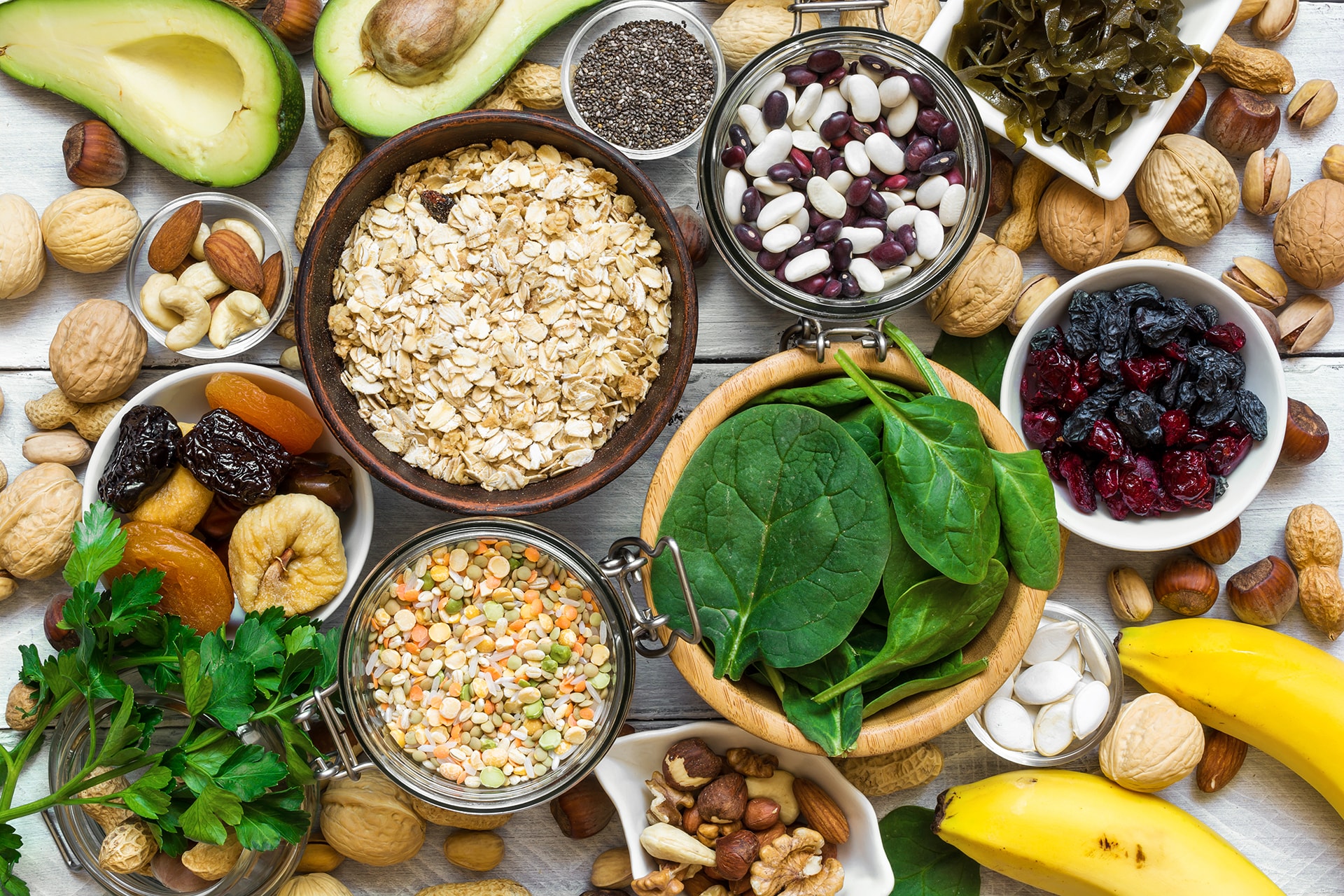
For those who struggle to get enough magnesium from food only, taking supplements can help. Choosing the best magnesium supplement for weight loss can improve metabolism among with benefiting other aspects of health.
Some forms like magnesium citrate and magnesium glycinate are known for their high absorption rates, making them effective choices for those looking to increase their intake.
This mineral is also important for Joint Health and Brain Health. It helps reduce inflammation, which can ease joint discomfort, and it improves brain function which lowers stress.
Other Health Benefits of Magnesium
One of its biggest advantages is its ability to ease stress by regulating cortisol levels and contributing to the nervous system. This also leads to better sleep quality which is important to maintain good health.

Does magnesium help with weight loss?
As it lowers stress levels and improves sleep, it may aid directly in weight management by balancing appetite hormones and minimizing cravings.
Magnesium also impacts Digestive Health by helping the muscles of the digestive system work properly, preventing bloating and constipation.
This supplement is also important for Men's Health, particularly in muscle recovery, testosterone production, and cardiovascular support. It reduces muscle cramps and inflammation, which makes athletes and active individuals often rely on it to speed up recovery and improve physical performance.
Certain forms of this mineral, like citrate, are usually used to support digestion and promote regular bowel movements, ensuring a healthy gut.
Conclusion, Is Magnesium Effective for Weight Loss?
Magnesium helps with weight management but it's not a quick fix. It plays an important role in metabolism, insulin function, and appetite regulation, but its benefits are maximized when combined with a healthy diet and exercise.
In this way, magnesium helps you lose weight as part of a balanced lifestyle that includes proper nutrition and exercise! Having good levels of magnesium helps improve how the body processes glucose, supports fat metabolism, and helps reduce cravings.
Aside from weight loss benefits, this supplement supports overall health by improving Digestive Health, Men's Health, sleep quality, and reducing stress. This is why magnesium is important, but not all supplements are equally effective, so choosing the right type is important for proper absorption and maximum benefits.